Why Doesn't Bali Have Trains?
Guide to Bali Transport Options
The Development of Railways in Indonesia
Railway transportation in Indonesia began during the Dutch colonial era. Around 1864, the Dutch built railway lines connecting Semarang, Surakarta, and Yogyakarta to improve the efficiency of transporting agricultural products to ports. In the following decades, railways expanded to other regions, including Sumatra. However, several areas of Indonesia were never developed with rail networks one of them being Bali.
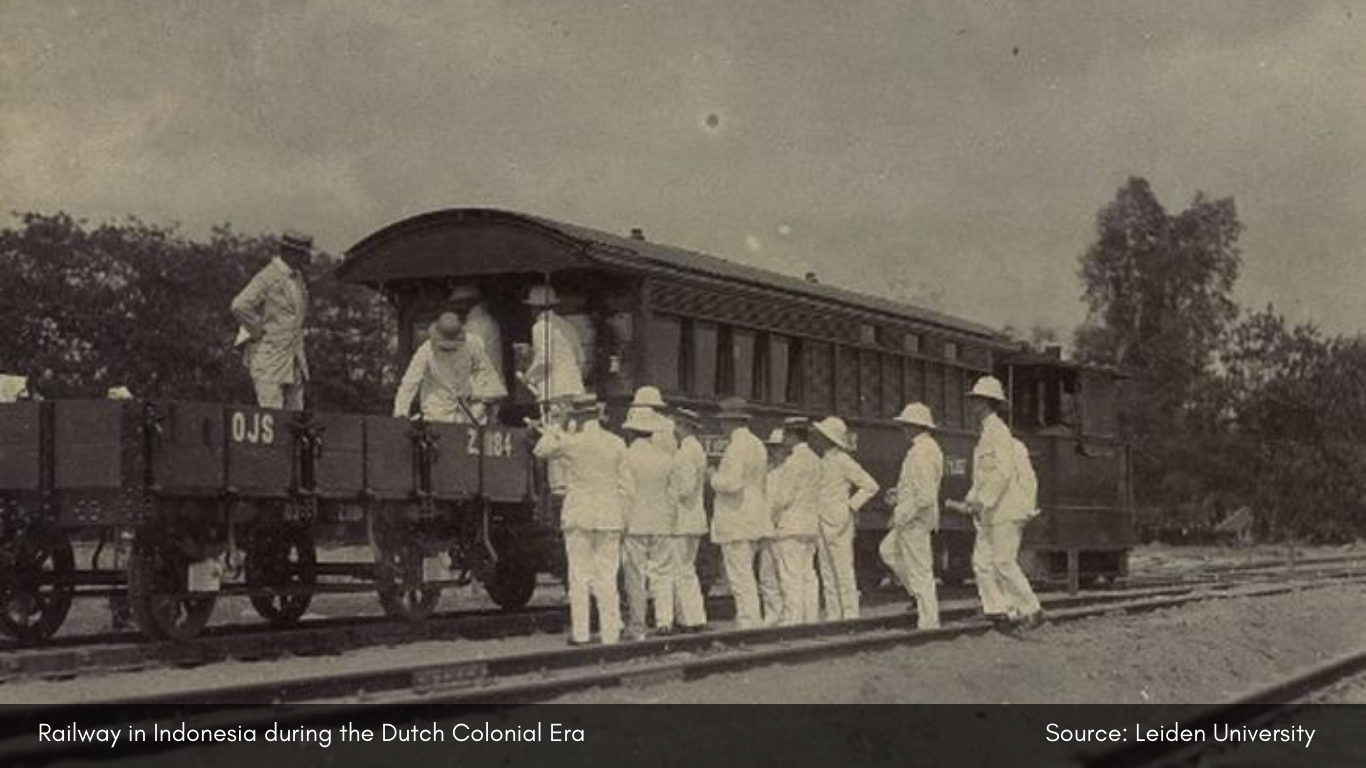
Why Railways Were Never Built in Bali
Bali did not have railways built during the colonial period for several reasons. Interestingly, before being officially known as Bali, the island was part of the region called the Lesser Sunda Islands. These areas were mainly used as administrative centers rather than large-scale plantation zones. Unlike Java, Bali did not have extensive plantations that were economically essential to the colonial government. In addition, Bali’s geographical conditions characterized by hilly landscapes and uneven terrain made railway construction technically challenging and costly.
Bali as a Preserved Region Since the Colonial Era
Beyond economic and geographical factors, Bali has long been valued for its unique culture and natural beauty. According to Rouffaer, Director of the Bali Institute during the colonial era, Balinese society was deeply rooted in rural life, with strong cultural traditions reflected in rituals, arts, religion, and literature. This idea is reinforced in Bali: Cultural Tourism and Touristic Culture (2006) by Michel Picard, which explains that the Dutch deliberately restricted railway development to protect Bali from external cultural and environmental influences. This preservation mindset continues today, as the provincial government remains cautious about large-scale infrastructure projects one of the reasons railway development has yet to be implemented.
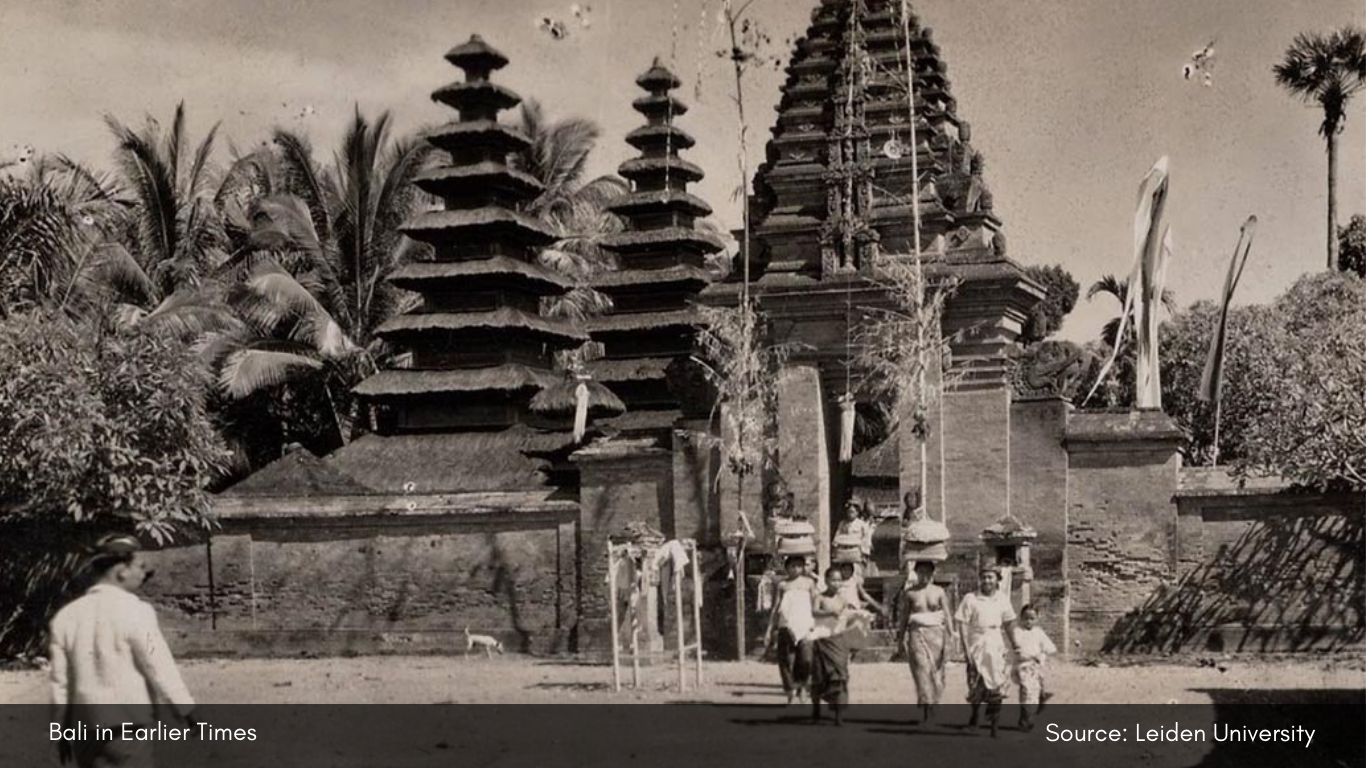
Public Transportation Options in Bali
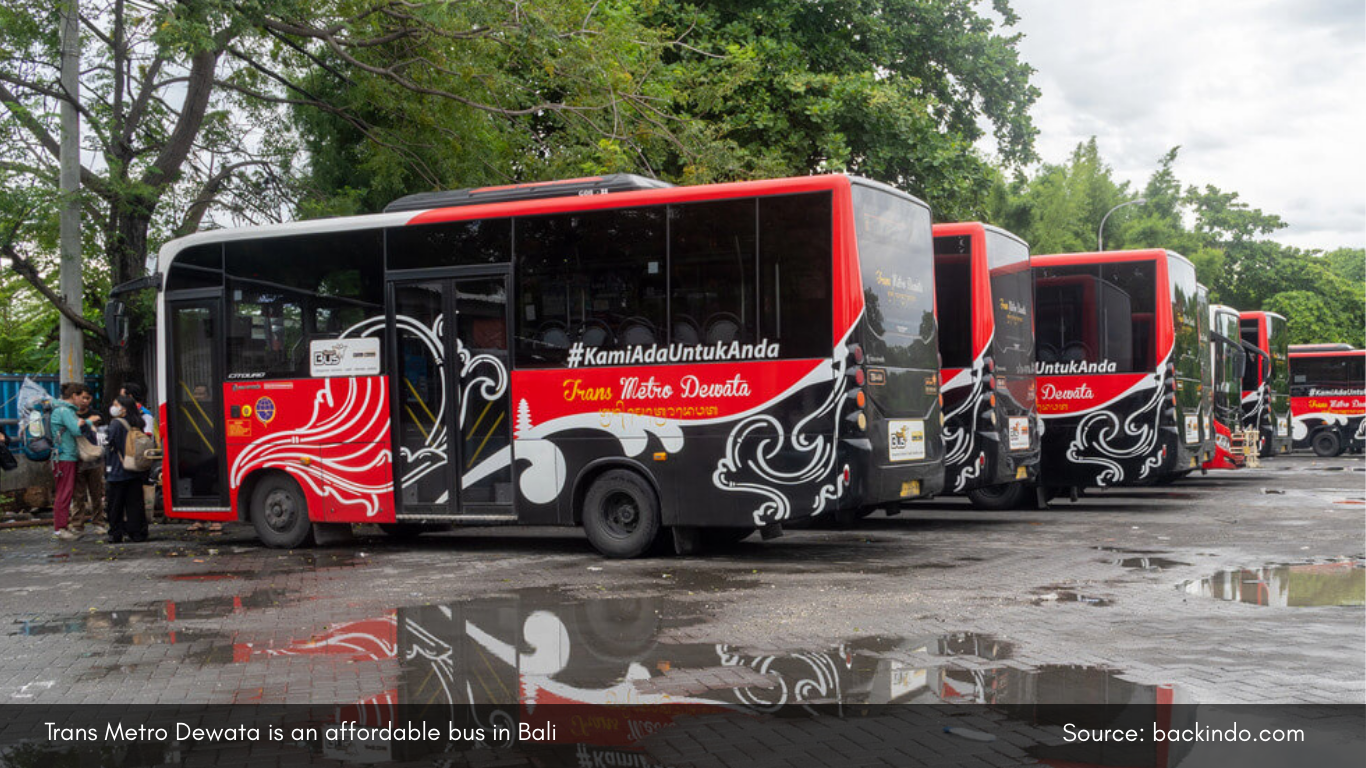
In many regions, trains are considered the most convenient form of public transport due to their affordability and accessibility. Since Bali has no railway system, visitors rely on alternative transportation options. For long-distance travel between regions, buses are a practical choice. For shorter trips, app-based transportation services like Grab and Gojek are widely used and convenient. Taxis are also available, though they mainly operate in urban areas such as Denpasar and are less common in rural regions.
Private Transportation in Bali
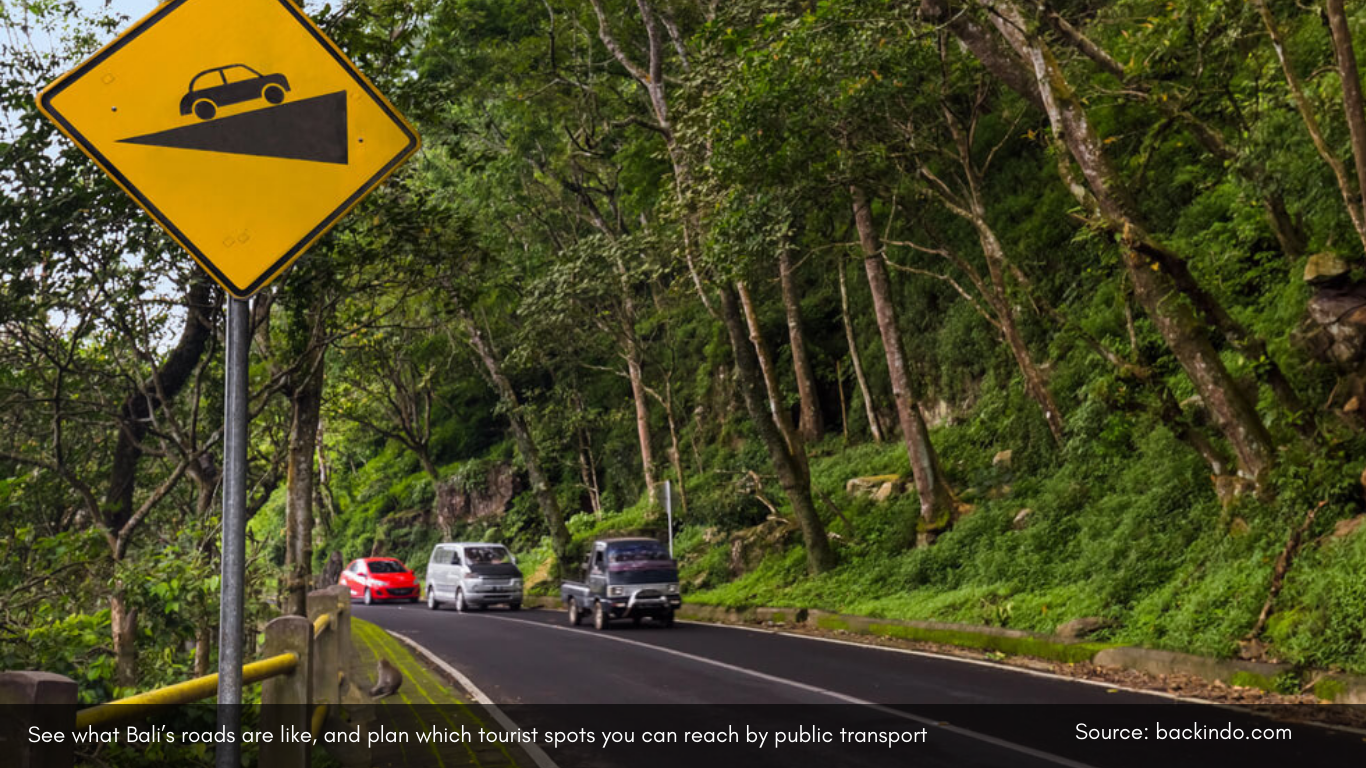
Private transportation is often the most flexible option when traveling in Bali. However, the island’s roads are not always straightforward, many rural and highland areas feature steep inclines, sharp turns, and narrow roads. If you are comfortable driving in such conditions, renting a motorbike or car can be a practical choice. For those unfamiliar with Bali’s roads, hiring a private car with a professional driver is highly recommended. This option offers greater safety, comfort, and peace of mind while exploring the island.
Final Thoughts About Transportation in Bali
While Bali may not have trains, the island offers a variety of transportation options that cater to different travel styles and needs. From public buses and ride-hailing services to private vehicles with experienced drivers, getting around Bali is more about choosing the right option than relying on a single system. Understanding Bali’s transportation landscape will help you travel more smoothly and enjoy the journey just as much as the destination.

Spacious Beautiful Garden Villa for Sale
Kaliasem, Lovina Bali
Rp 4.900.000.000

Minimalist Elegant Style Villa for Sale
Rice Paddy View, Cozy, Lovina
Rp 3.400.000.000

A Dream Villa with Beautiful Garden
Peaceful, Lush, Inviting
EUR € 502.000

Oceanview 3 Bedrooms Villa in the Hills
Sing Sing Temukus North Bali
EUR € 255.000
NIB 9120202481764
Villas For Rent and For Sale in Bali
Luxury Bali Real Estate Development
Jl Raya Singaraja Seririt 168 Kalibukbuk, North Bali
Call us +62 821-4680-0076 / +62 813-3774-5772
Google Maps North Bali
Send us an email
Facebook - Instagram
Bali VIP Car - Airport Fast Track
© 2002 - 2026 BPI - Palm Living Bali
Privacy Policy - Terms of Use
About Us, BPI - Palm Living
Bali Real Estate Archive
Onroerend Goed Bali - Properti Bali
Недвижимость на Бали