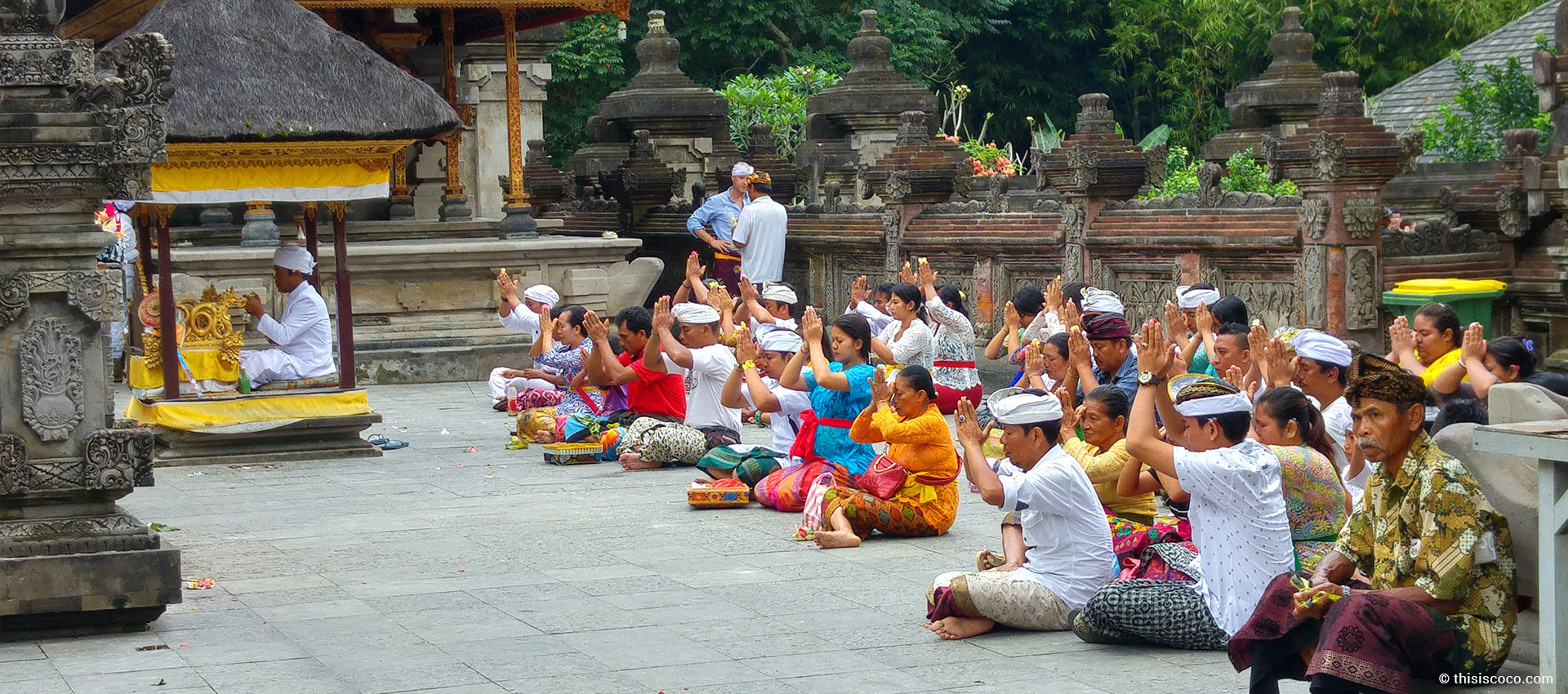
Balinese Caste System
Culture Meets Modern Life
In today’s rapidly changing Bali, where luxury villas sit next to traditional villages, the Balinese caste system still quietly influences many aspects of life. While it might seem like an outdated concept, this ancient social structure continues to play a role in everything from community dynamics influence into everyday life.
In the past, the caste system in Bali served as a framework for dividing professions and responsibilities.
Today, however, things have changed. While caste no longer determines jobs status, it still holds cultural and ceremonial importance. Let's take a closer look at the castes in Bali and how they influence the traditions and social life.
A. Brahmana - Priest
The Brahmana caste is considered the highest caste in Bali’s traditional social hierarchy. Members of this caste often carry the honorific names Ida Bagus for men and Ida Ayu (sometimes shortened to “Dayu”) for women. Traditionally, Brahmanas are deeply respected for their roles in religious leadership, ritual guidance, and spiritual education within the community (detik.com).
In the past, many Brahmanas held positions such as pedanda (priest), temple caretakers, or ritual specialists, tasked with preserving sacred knowledge, officiating ceremonies, and interpreting scriptures. Over time, while not all Brahmana descendants continue to serve in religious roles, their identity and naming tradition remain significant cultural markers in Bali especially in matters related to the preservation of traditions or the conduct of ceremonies.
In real estate for those starting to build a property and ask for blessings and ensure harmony with the surrounding environment, will be held Ngeruak Karang ceremony. The Ngeruak ceremony involves making offerings to the local gods, spirits, and ancestors, and is often conducted by a pedanda (priest), typically a Brahmana. It is a ritual of purification, performed at the beginning of construction, to make sure the land is spiritually prepared for the new development.
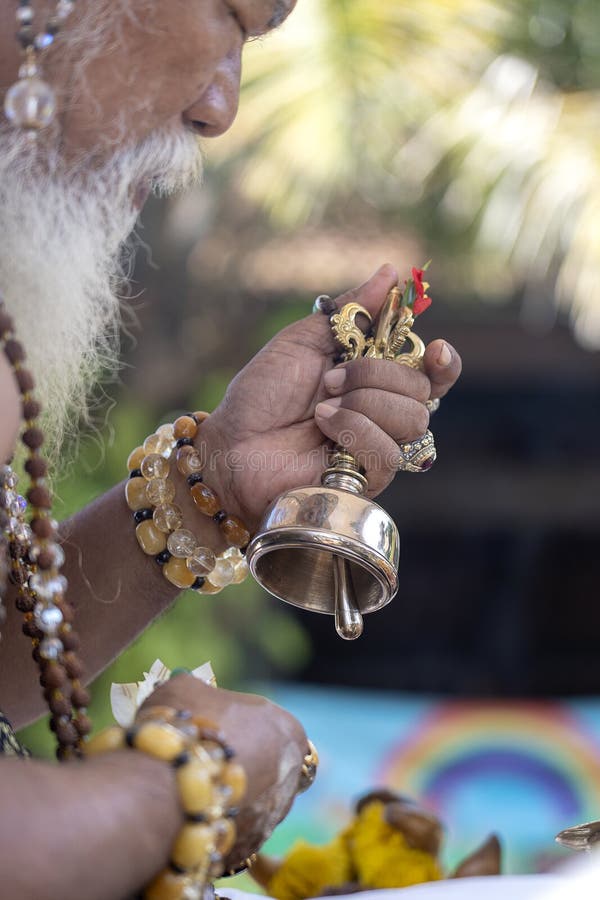
Source: https://thumbs.dreamstime.com
B. Ksatria - Warriors and Leaders
The Ksatria caste in Bali originates from the warrior class of ancient Hindu society, with members often carrying titles such as Tjokorda or Anak Agung. This caste traditionally held the responsibility of being protectors and political leaders, ensuring the safety and welfare of their communities. Their position was akin to knights or military aristocracy, and they were revered for their bravery and leadership on the battlefield.
Tjokorda and Anak Agung are not only titles of historical significance but also symbols of prestige in modern Bali. For example, in areas where these titles are still prevalent, such as the Gianyar region, properties linked to families with these titles may be considered high-status.The presence of a Tjokorda or Anak Agung can add an aura of cultural richness and prestige to any development, making it appealing for those seeking an authentic Balinese living experience.
In modern-day Bali, while the role of the Ksatria caste has shifted from military leadership to more ceremonial or cultural positions, their influence in social life remains significant. They continue to hold important roles in community leadership, traditional ceremonies, and local governance. Additionally, they are still often seen as respected figures within the community, with some holding significant land holdings or managing key cultural sites such as temples and palaces.
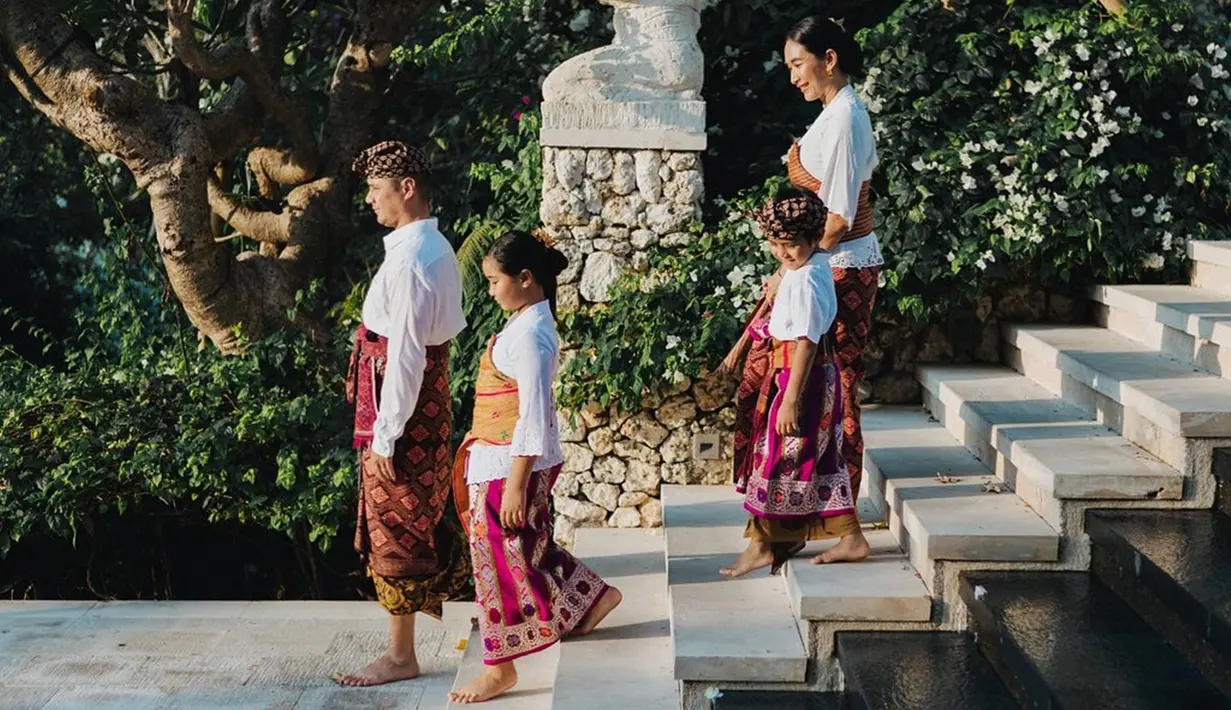 Source: https://liputan6.com
C. Waisya - Traders & Craftsmen
Those belonging to the Waisya caste usually carry titles like Gusti, Ngurah, Dewa, Sang, or Pande. Traditionally, they played an important role in the economy, working as merchants, farmers, craftsmen, and providers of goods and services. Their contribution remains vital in sustaining Bali’s local economy (detik.com).
The role of the Waisya caste in modern Balinese society is still deeply intertwined with economic and social mobility. As entrepreneurs, farmers, artisans, and local business owners, members of the Waisya caste contribute to Bali's growing economy in a variety of ways.
With the rise of tourism, the Waisya caste has become increasingly influential in the service sector, particularly in areas such as hospitality, tourism infrastructure, and the real estate market. Furthermore, members of the Waisya caste are also active participants in local governance, representing the interests of the business community in village councils and other decision-making bodies.
.jpg) Source: https://1.bp.blogspot.com/
Source: https://1.bp.blogspot.com/
D. Sudra - Bali's Largest and Most Diverse Group
The Sudra caste is the largest caste group in Bali, often referred to as the "ordinary people." Unlike the higher castes (Brahmana, Ksatria, and Waisya), Sudras do not carry special caste titles, such as Ida Bagus, Tjokorda, or Gusti. Instead, they are more commonly referred to simply by their given names without the caste-specific prefixes that signify their higher status. Historically, the Sudra caste consisted of individuals who worked in physically demanding jobs such as laborers, servants, farmers, and manual workers. They were often responsible for the tasks that supported the community but were not seen as part of the elite social classes.
In modern Bali, the Sudra caste comprises a significant portion of the workforce, often employed in various sectors such as agriculture, construction, and tourism. While the role of Sudras in the physical labor force is still important, their social mobility has increased with the development of Bali’s economy and the rise of the tourism industry. Many Sudras are now involved in businesses such as tour guide services, restaurants, local retail, and small-scale industries related to craftsmanship, hospitality, and agriculture.
In terms of social status, there has been a gradual erosion of caste distinctions as modernization and education have opened opportunities for Sudra families to enter a variety of professions. However, despite these changes, the cultural identity tied to being a Sudra remains significant. Ceremonial roles and participation in community events (such as temple festivals, processions, and traditional Balinese rituals) still link Sudras to their cultural roots, even as their roles within Bali’s economy have diversified. Their ability to adapt to modern realities while preserving traditional practices ensures their ongoing relevance in social life.
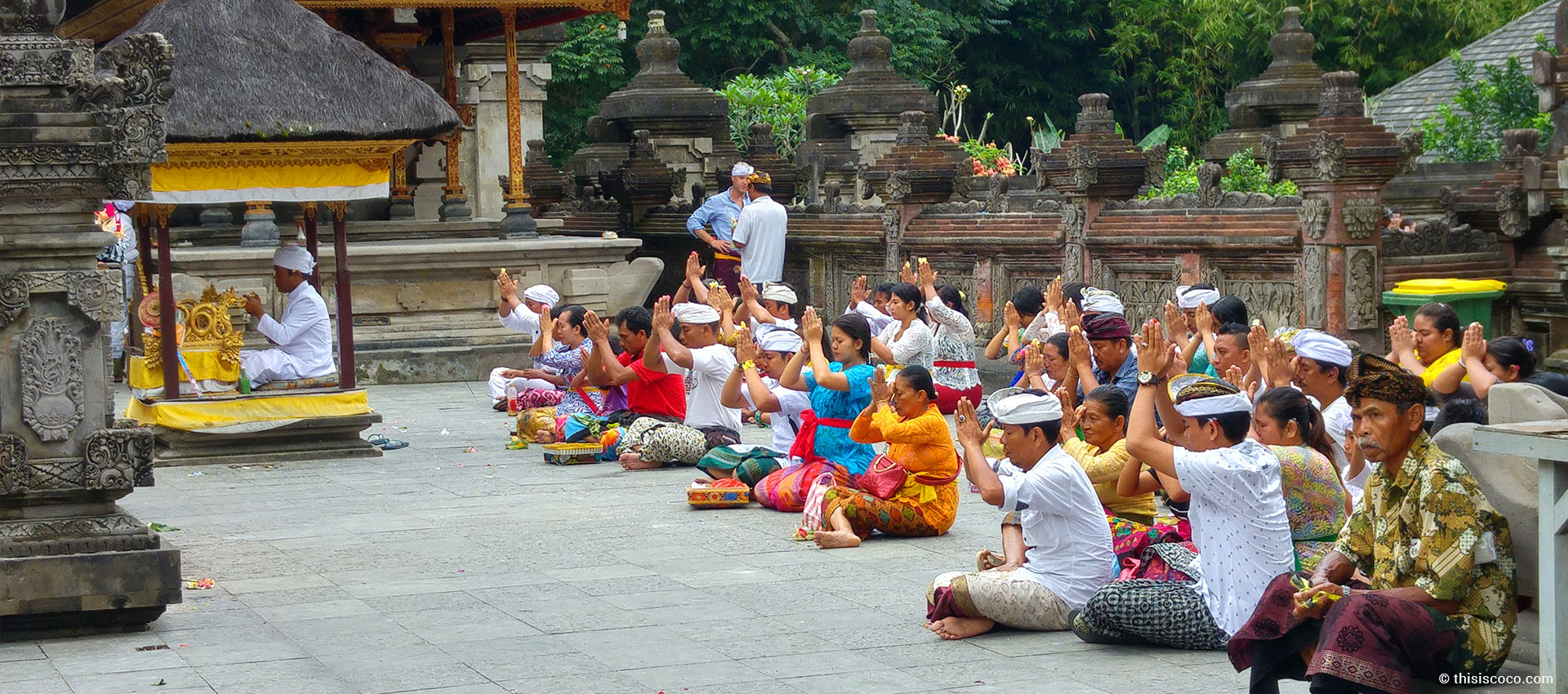 Source: https://www.thisiscoco.com/
Final Thoughts: Harmony Beyond Caste
The caste system in Bali is a reflection of how society once lived under a structured hierarchy. Today, it no longer controls daily life, but it still lingers in ceremonies and traditions as a way of honoring heritage. While subtle distinctions may remain, Bali’s modern society continues to move toward openness and inclusivity, guided by a deep respect for harmony between people, culture, and nature.

Spacious Beautiful Garden Villa for Sale
Kaliasem, Lovina Bali
Rp 4.900.000.000

Minimalist Elegant Style Villa for Sale
Rice Paddy View, Cozy, Lovina
Rp 3.400.000.000

A Dream Villa with Beautiful Garden
Peaceful, Lush, Inviting
EUR € 502.000

Oceanview 3 Bedrooms Villa in the Hills
Sing Sing Temukus North Bali
EUR € 255.000
NIB 9120202481764
Villas For Rent and For Sale in Bali
Luxury Bali Real Estate Development
Jl Raya Singaraja Seririt 168 Kalibukbuk, North Bali
Call us +62 821-4680-0076 / +62 813-3774-5772
Google Maps North Bali
Send us an email
Facebook - Instagram
Bali VIP Car - Airport Fast Track
© 2002 - 2026 BPI - Palm Living Bali
Privacy Policy - Terms of Use
About Us, BPI - Palm Living
Bali Real Estate Archive
Onroerend Goed Bali - Properti Bali
Недвижимость на Бали


:strip_icc():format(webp)/kly-media-production/medias/4605526/original/018072900_1696928801-dua.jpg)