The Balinese Language - Heritage of Bali
Useful Balinese Expressions
Unique Language of the Island of the Gods
The island of Bali, renowned for its lush landscapes, vibrant ceremonies, and world-famous artistry, is also home to a unique linguistic tradition: the Balinese language. This language, locally known as "Basa Bali," is not merely a means of communication, but a living vessel rich with centuries of history, philosophical concepts, and deeply ingrained cultural values. To understand the Balinese language is to glimpse the soul of Bali itself, a place where language, ritual, and daily life are woven tightly together.

A quick guide
In everyday life, language helps us express emotions, intentions, and social connections. In Bali, the same is true, but with a unique local flavor. If you’ve ever visited the Island of the Gods, chances are you’ve heard some of these words or phrases. Here's a quick guide to the most common Balinese expressions, what they mean, and how they're used:
Polite and Traditional Expressions
1. Om Swastyastu, A traditional Balinese greeting that means “May you always be in good health and peace.” You’ll often hear this when entering temples or traditional spaces.
2. Matur Suksma / Suksma, This is how Balinese people say “Thank you.” You might hear it from shop owners or see it written on signs around villages.
3. Inggih / Nggih, Both words mean “Yes.” Inggih is more formal and polite, while Nggih is a casual version. Some people also say “Nah” in relaxed conversations.
4. Meriki, This means “Please come in.” You’ll often hear it in traditional villages when someone warmly invites you into their home.
5. Ngiring Ngajeng, If you’re invited to a Balinese home, don’t be surprised if you're offered a full meal. Ngiring Ngajeng is an invitation to eat, not just a snack!
6. Bli / Mbok, These are respectful ways to address older men (Bli) and women (Mbok), even if you just met them.
7. Nenten/Ten, This means “No” in polite Balinese. Informally, people might say Tusing or Sing for the same meaning.
8. Jegeg/Bagus, Jegeg means “beautiful” (usually for women), and Bagus means “handsome” or “good-looking.” You might also hear Geg (short for Jegeg) or Gus (short for Bagus).
9. Jaen, A way to say “Delicious!” when enjoying food. Feel free to use it when tasting Balinese cuisine.
10. Napi, This simply means “What?” It’s commonly used when asking questions.
11. Rahajeng, This means “Good” in different contexts. For example, Rahajeng Siang = Good afternoon.
12. Sampun, A polite way to say “Already.” If someone asks if you’ve eaten, you can answer Sampun to say “Yes, I have.”
Everyday Slang & Modern Expressions
13. Kle, A casual way to express emotions like surprise, admiration, or even frustration. It’s similar to saying “Damn!” in English.
14. Nok, Often added at the end of a sentence for emotional emphasis. Example: Jaen Nok! = So delicious!
15. Beh, An expression of surprise or shock, like “Whoa!”
16. Meh, Just like in English, this is used to show indifference or “meh” feelings.
17. Mimih / Mih, Used when you're surprised or in disbelief. Mih! is the short version.
18. Gati, Means “very” or “super.” Example: Jegeg gati nok! = Super beautiful!
19. Aluh, Means “easy.” It’s used like “That was a piece of cake!”
20. Kenken, This means “How?” Commonly used in questions like Kenken Bli? = Wassup, brother?
Ready To Make A Friend?
Next time you’re exploring Bali, especially in the villages, try using these expressions. Locals will appreciate your effort, and you might just make a new friend or two. After all, Balinese people are known for their warmth and hospitality!
Historical Roots and Linguistic Lineage
Balinese belongs to the Austronesian language family, specifically the Malayo-Polynesian branch, which stretches from Madagascar to the Pacific Islands. It shares close ties with other languages in the region, such as Javanese, Sasak, and Indonesian (Bahasa Indonesia), yet remains distinguished by its own unique features.
The earliest evidence of Balinese writing dates back to at least the 9th century, as seen in ancient inscriptions. Over centuries, the language was shaped by waves of migration, religious influences, particularly from Hinduism and Buddhism,and the rise and fall of powerful kingdoms. These historical layers have endowed Balinese with a rich vocabulary and complex system of registers, making it a fascinating subject for linguists and anthropologists alike.
Registers and Levels of Speech: Language as a Mirror of Society
One of the most remarkable aspects of the Balinese language is its system of speech levels, or "registers." There are three main registers used in daily life:
Low Balinese (Basa Ketah): Used among close friends, family, and to people of the same or lower social status. It is the register of warmth and intimacy.
Middle Balinese (Basa Madia): Employed in polite conversation, particularly among acquaintances or those whose status is somewhat uncertain. This register is a delicate balance between respect and familiarity.
High Balinese (Basa Alus): Reserved for formal situations, religious rituals, and when addressing individuals of higher social or spiritual standing. High Balinese is characterized by a refined vocabulary, much of it borrowed from Sanskrit and Old Javanese.
This tiered system reflects the hierarchical nature of Balinese society, where language is used not only to convey information, but to express deference, kinship, and cultural ideals of harmony and respect (known in Balinese as "tatwa," or truth).
Language Revitalization and the Digital Age
Recent years have seen a resurgence in efforts to preserve and promote Balinese language and script. Community organizations, universities, and government bodies have launched campaigns to encourage Balinese-language education and media. Social media platforms, podcasts, and YouTube channels feature Balinese content, reaching younger audiences and encouraging pride in linguistic heritage.
Learn your ancestral language!
The Balinese script is now encoded in Unicode, making it possible to use and teach the script online and in mobile applications. Educational initiatives aim to integrate Balinese language and script into school curricula, ensuring that children learn not only to speak, but also to read and write their ancestral language.
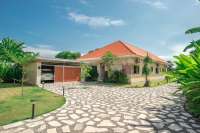
Spacious Beautiful Garden Villa for Sale
Kaliasem, Lovina Bali
Rp 4.900.000.000

Minimalist Elegant Style Villa for Sale
Rice Paddy View, Cozy, Lovina
Rp 3.400.000.000
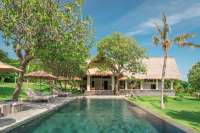
A Dream Villa with Beautiful Garden
Peaceful, Lush, Inviting
EUR € 502.000

Oceanview 3 Bedrooms Villa in the Hills
Sing Sing Temukus North Bali
EUR € 255.000
NIB 9120202481764
Villas For Rent and For Sale in Bali
Luxury Bali Real Estate Development
Jl Raya Singaraja Seririt 168 Kalibukbuk, North Bali
Call us +62 821-4680-0076 / +62 813-3774-5772
Google Maps North Bali
Send us an email
Facebook - Instagram
Bali VIP Car - Airport Fast Track
© 2002 - 2026 BPI - Palm Living Bali
Privacy Policy - Terms of Use
About Us, BPI - Palm Living
Bali Real Estate Archive
Onroerend Goed Bali - Properti Bali
Недвижимость на Бали