Important Facts About Tap Water in Bali
Is It Safe to Drink?
Have you ever heard travelers talking about stomach problems like diarrhea, cramps, nausea, or vomiting during their stay in Bali? That unpleasant experience is commonly known as Bali Belly
Many people assume Bali Belly is only caused by spicy local dishes or street food exposed to dust and contamination. While food can certainly be a factor, there’s another major source of digestive illness that many people overlook: tap water.
Even if you never drink tap water directly, you may still be exposed to it when brushing your teeth, washing fruits, consuming ice, or eating food prepared with untreated water. This is where the connection becomes important.
What Is Bali Belly?
Bali Belly is a term used to describe digestive illness caused by bacteria, viruses, or parasites entering the digestive system. The condition typically results in:
- Diarrhea
- Stomach cramps
- Nausea and vomiting
- Fever
- Bloating
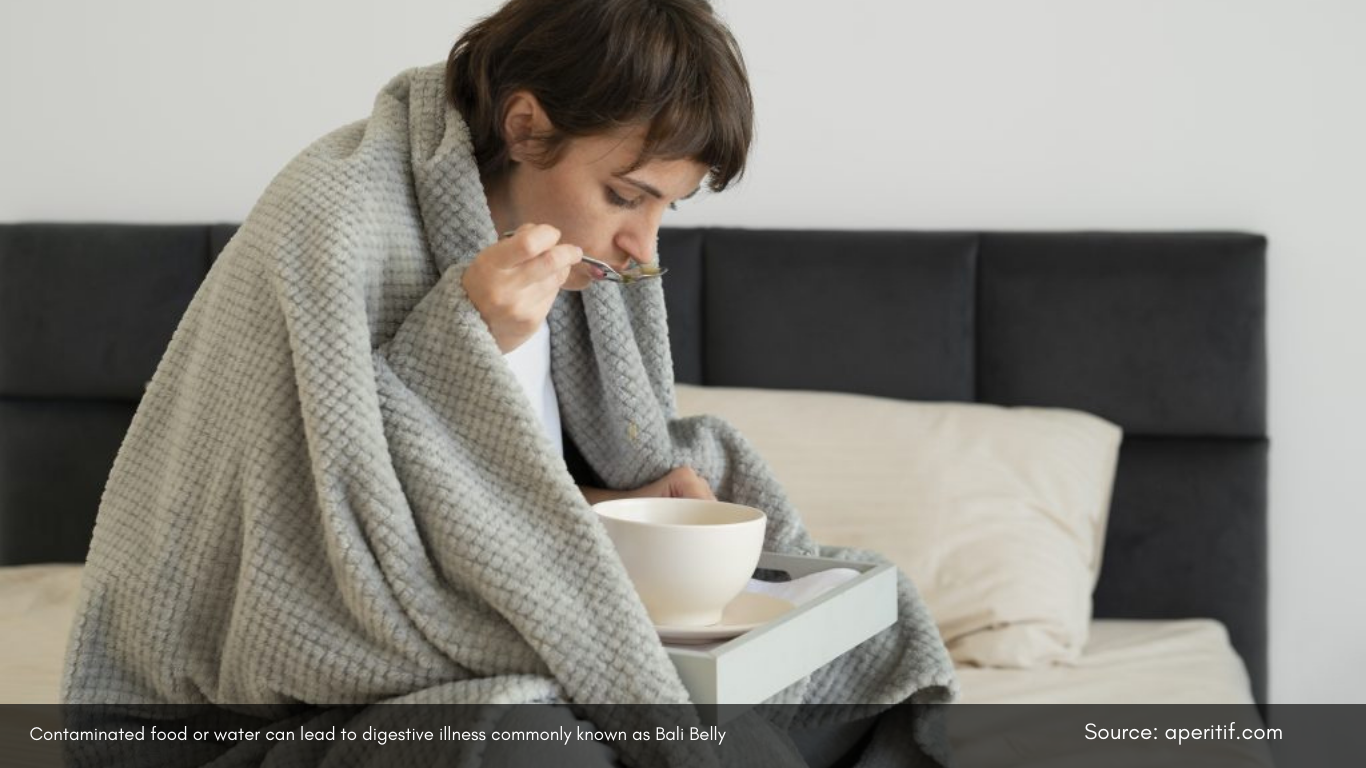
Symptoms usually last between one and three days but may vary depending on individual immunity.
Why Tap Water in Bali Is Not Safe to Drink
In Indonesia, including Bali, tap water is reated but not potable (not safe to drink directly). Here’s why:
- Water Sources
Government water companies source water from rivers, lakes, reservoirs, and mountain springs. The water is processed through filtration, coagulation, sedimentation, and disinfection before being distributed.
- Distribution System Issues
Although the water is treated, contamination can occur during distribution. Aging pipelines and infrastructure may allow bacteria and microorganisms to re-enter the water supply before it reaches homes, hotels, and villas.
- Lack of Final Filtration at the Tap
While tap water is treated before distribution, it does not always go through an additional drinking-grade filtration process at the final point of use. This means the water may not be suitable for direct consumption without boiling or further filtering.
If this contaminated water is consumed even in small amounts, it can introduce bacteria into your digestive system, potentially causing Bali Belly. That’s the direct connection.
Is Tap Water in Bali Always Dangerous?
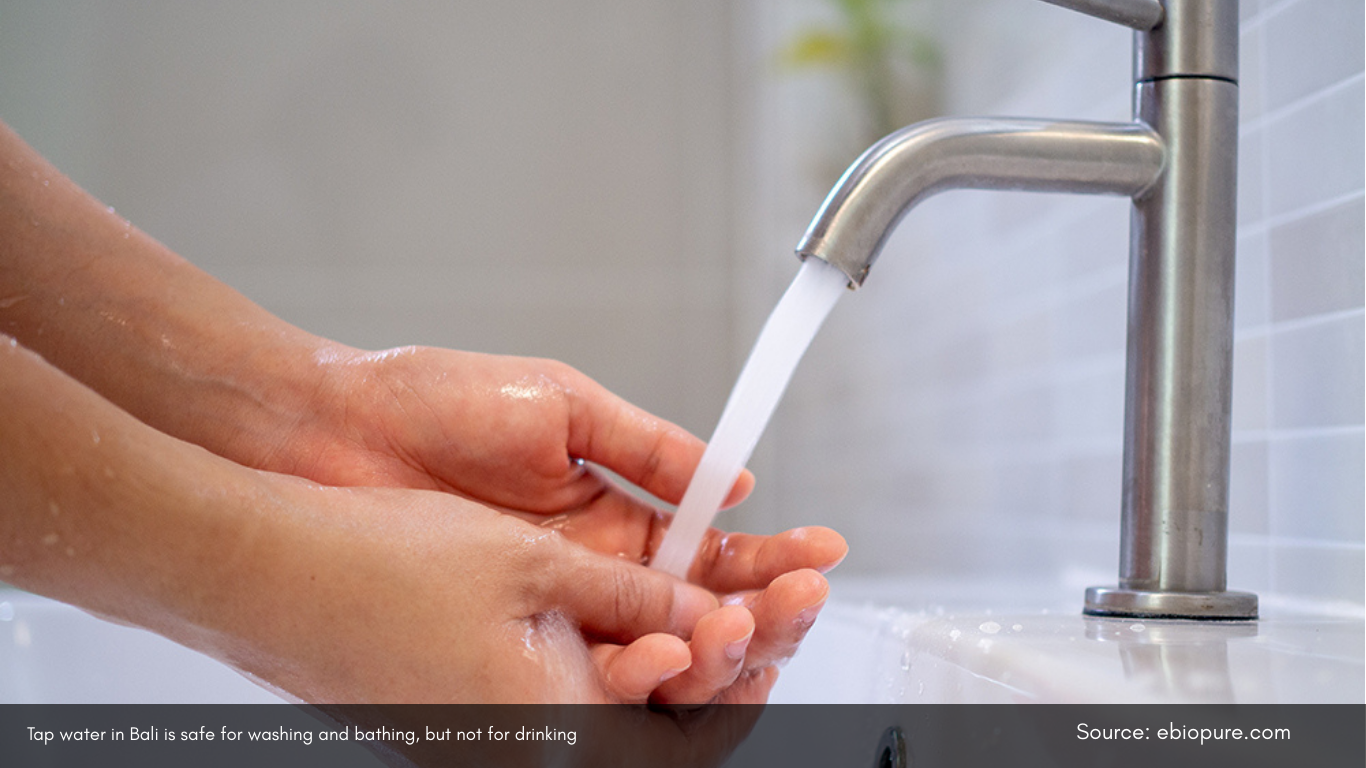
Not necessarily. Tap water in Bali is generally safe for external use, but precautions are important.
Safe Uses:
- Showering and bathing
- Washing hands
- Doing laundry
Use With Caution:
- Brushing your teeth (especially if you have a sensitive stomach)
- Washing fruits and vegetables that will be eaten raw
- Rinsing mouth after dental or facial treatments
The main risk comes from ingesting the water.
Safe Water Practices in Bali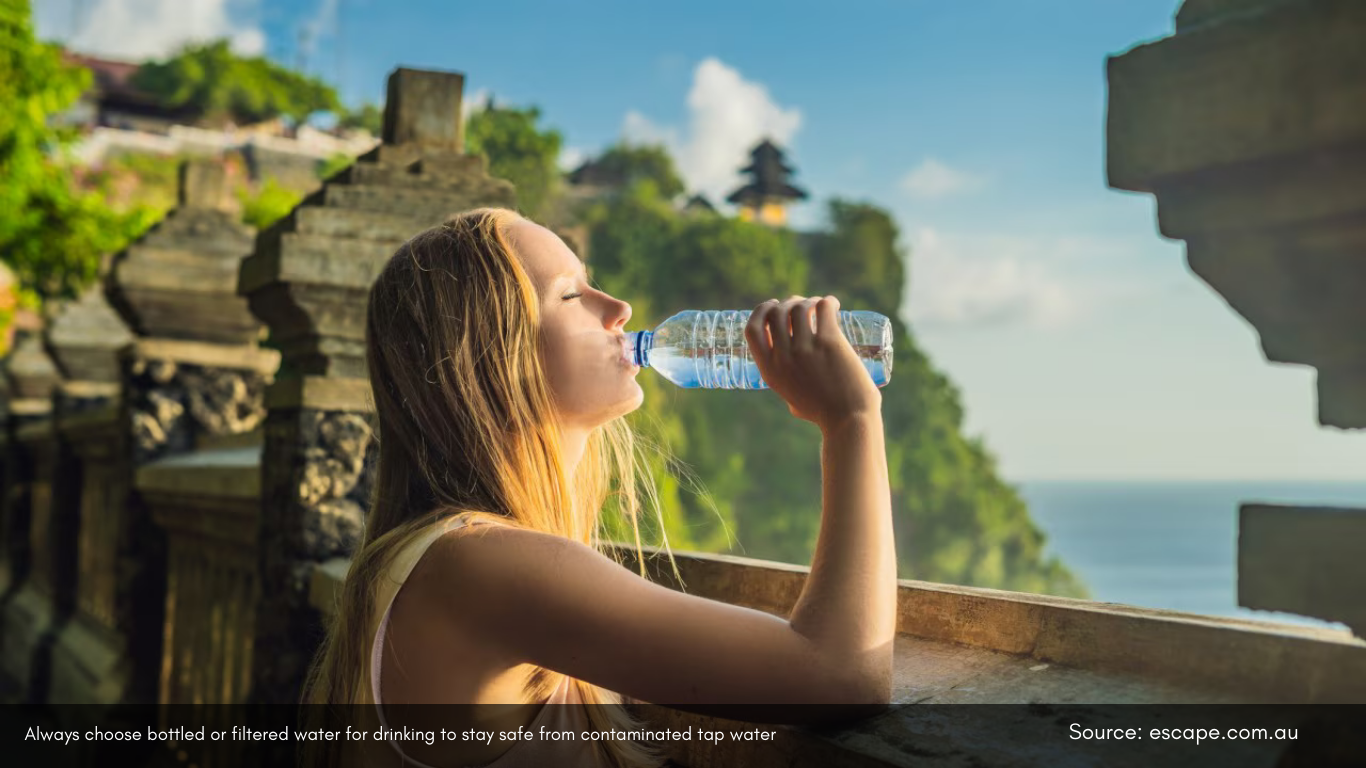
To avoid Bali Belly and stay healthy during your stay, follow these simple precautions:
- Do Not Drink Tap Water Directly
Never drink tap water straight from the faucet
- Boil Water Before Use
Boiling tap water kills most bacteria and parasites, making it safer for consumption
- Use Bottled or Gallon Drinking Water
For a more practical solution, use bottled or gallon drinking water for brushing teeth, washing fruits and vegetables, making ice, preparing baby food. Bottled water in Bali has gone through proper filtration and is widely available in supermarkets and convenience stores.
- Be Careful With Ice
Only consume ice in reputable restaurants, hotels, or cafes that use filtered water.
Final Thoughts: Should You Worry About Tap Water in Bali?
Tap water in Bali is not safe to drink directly, but with proper precautions, you can significantly reduce your risk of getting Bali Belly.
By using bottled water for drinking and food preparation, and avoiding swallowing tap water, you can enjoy your stay without unwanted stomach problems.
Planning ahead and practicing good hygiene will help ensure your Bali stay is memorable for the right reasons
Spacious Beautiful Garden Villa for Sale
Kaliasem, Lovina Bali
Rp 4.900.000.000

Minimalist Elegant Style Villa for Sale
Rice Paddy View, Cozy, Lovina
Rp 3.400.000.000

A Dream Villa with Beautiful Garden
Peaceful, Lush, Inviting
EUR € 502.000

Oceanview 3 Bedrooms Villa in the Hills
Sing Sing Temukus North Bali
EUR € 255.000
NIB 9120202481764
Villas For Rent and For Sale in Bali
Luxury Bali Real Estate Development
Jl Raya Singaraja Seririt 168 Kalibukbuk, North Bali
Call us +62 821-4680-0076 / +62 813-3774-5772
Google Maps North Bali
Send us an email
Facebook - Instagram
Bali VIP Car - Airport Fast Track
© 2002 - 2026 BPI - Palm Living Bali
Privacy Policy - Terms of Use
About Us, BPI - Palm Living
Bali Real Estate Archive
Onroerend Goed Bali - Properti Bali
Недвижимость на Бали