Sekala and Niskala: The Seen and the Unseen
Two Interconnected Worlds
A Balinese Philosophy of Two Interconnected Worlds
Bali is a land rich in unique spiritual and philosophical concepts, especially when it comes to balance and harmony in life. One of the most profound Balinese philosophies is the belief in Sekala and Niskala: the seen world and the unseen world. Interestingly, this concept has also captured the attention of filmmakers and was beautifully portrayed in the 2017 film "The Seen and Unseen (Sekala Niskala)".
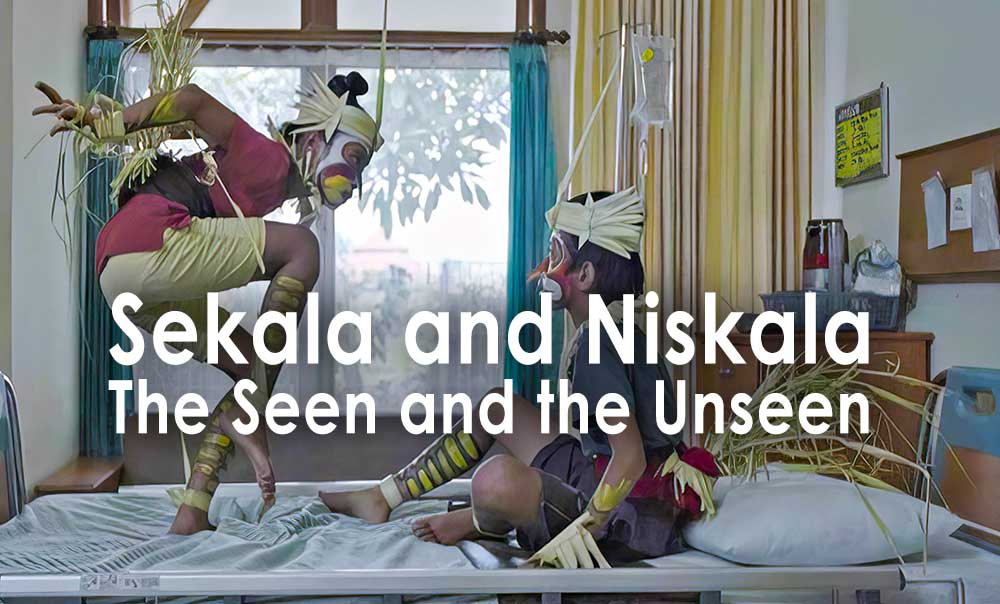 Image From The Seen and Unseen (Sekala Niskala)
Understanding Sekala and Niskala
In Balinese belief, Sekala refers to everything that can be perceived through the five senses, what we can see, touch, hear, and feel in the physical world. On the other hand, Niskala refers to the invisible realm, one that cannot be seen or touched but is believed to exist alongside our daily lives.
This isn’t about ghosts or superstition, it’s about the spiritual dimension that exists parallel to our own. Sekala represents our physical, human reality, while Niskala embodies the world of ancestral spirits, gods and goddesses, spiritual energies (both positive and negative), and unseen forces that influence our lives.
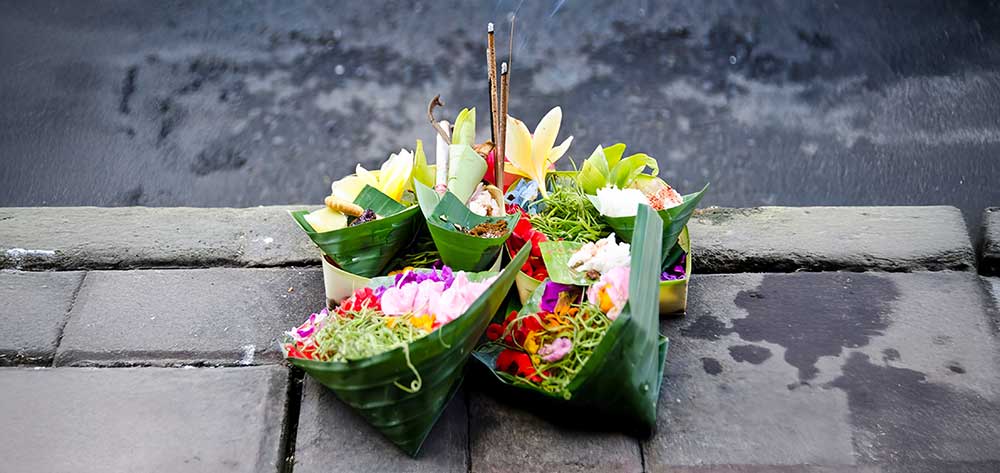 Image Source: book.thebalibible.com
Balancing the Seen and the Unseen in Balinese Life
The people of Bali deeply believe in the coexistence of these two realms. That’s why harmony between Sekala and Niskala is often expressed through daily rituals, ceremonies, and religious offerings.
One of the most well-known examples is the canang sari, a daily offering made by Balinese Hindus during prayer. These small woven palm-leaf baskets filled with flowers, rice, and incense are not just beautiful symbols of devotion, but also offerings to the divine spirits of the unseen world. The act honors the spiritual realm and maintains balance between humans and the invisible energies of the universe.
Another example is the ritual purification of sacred objects, like ancestral kris (traditional daggers). These objects are believed to carry spiritual energy, and they are ritually cleansed to remove negative forces. Offerings and prayers are made to both the gods and ancestral spirits as a form of respect and spiritual care, again reflecting the belief in Niskala.
Honoring the Ancestral Spirit World
This philosophy also explains why Balinese Hindus highly honor and respect their ancestors. Even after death, ancestors are believed to continue existing in the Niskala realm and to have a lasting influence on the living.
During religious ceremonies, it's common for someone to enter a trance-like state, known as kerauhan, where they are believed to be possessed by a spirit. In many cases, the spirit is thought to be that of an ancestor, using the person as a medium to communicate between the two worlds. This practice is seen as a sacred bridge between Sekala and Niskala.
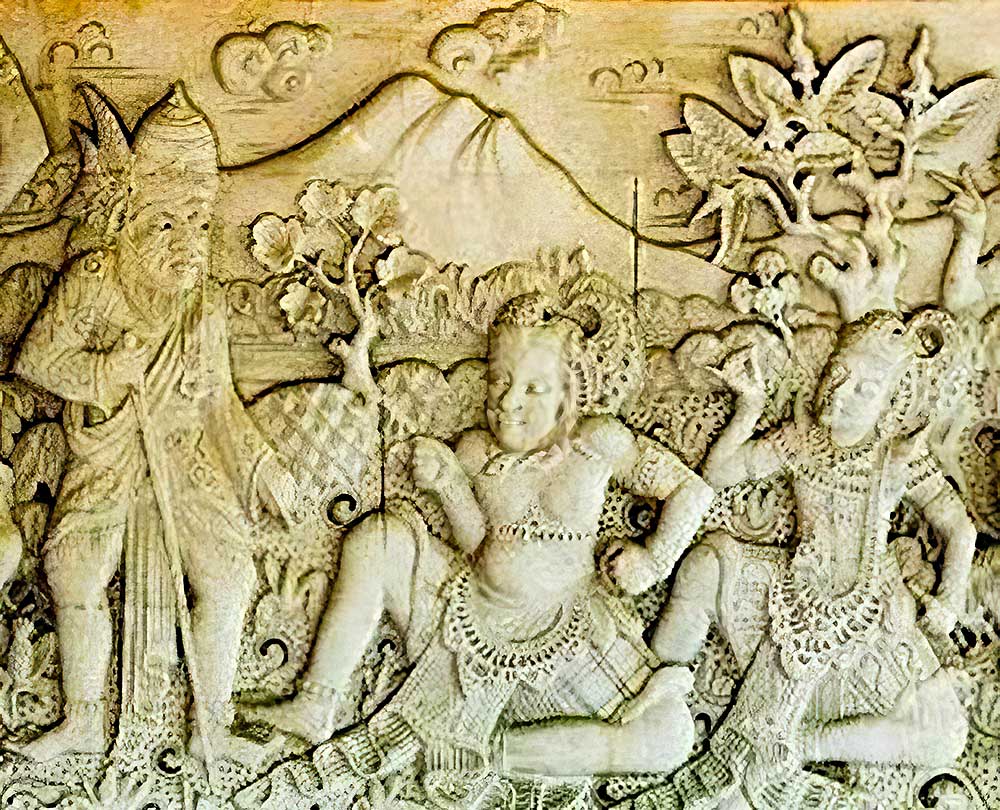 Image Source: sejarahharirayahindu.blogspot.id
An Ancient Concept Rooted in Indigenous Belief
Long before organized religion arrived in Bali, the island’s ancestors practiced animism and dynamism, belief systems centered around the idea that spirits live in nature and in objects, and that these forces shape human life. These early beliefs are directly tied to the concept of Niskala, an invisible spiritual presence that, while undetectable by our senses, is deeply felt and respected.
Harmony
Even today, this ancient worldview lives on. Balinese communities continue to involve the unseen realm in their cultural rituals and spiritual practices, ensuring that both worlds, the visible and the invisible, remain in harmony. It’s this balance that creates the unique rhythm of life in Bali: one where the sacred and the everyday exist side by side.
Spacious Beautiful Garden Villa for Sale
Kaliasem, Lovina Bali
Rp 4.900.000.000

Minimalist Elegant Style Villa for Sale
Rice Paddy View, Cozy, Lovina
Rp 3.400.000.000
A Dream Villa with Beautiful Garden
Peaceful, Lush, Inviting
EUR € 502.000

Oceanview 3 Bedrooms Villa in the Hills
Sing Sing Temukus North Bali
EUR € 255.000
NIB 9120202481764
Villas For Rent and For Sale in Bali
Luxury Bali Real Estate Development
Jl Raya Singaraja Seririt 168 Kalibukbuk, North Bali
Call us +62 821-4680-0076 / +62 813-3774-5772
Google Maps North Bali
Send us an email
Facebook - Instagram
Bali VIP Car - Airport Fast Track
© 2002 - 2026 BPI - Palm Living Bali
Privacy Policy - Terms of Use
About Us, BPI - Palm Living
Bali Real Estate Archive
Onroerend Goed Bali - Properti Bali
Недвижимость на Бали